Sino-German Symposium
3rd International Symposium on Brain-Computer Interface and Brain Stimulation
A focused academic platform for researchers, clinicians, engineers, and students working on brain-computer interface, brain stimulation, neuroengineering, and translational neuroscience.
Overview
About the Symposium
The first symposium was held in 2021 at the University of Magdeburg, followed by the second edition in Hamburg in 2022. Building on this foundation, the current symposium continues to foster academic exchange between China and Germany in this field. Brain-computer interfaces and brain stimulation are rapidly evolving interdisciplinary areas at the intersection of neuroscience, engineering, artificial intelligence, and clinical science. As research advances, there is an increasing need for high-level academic exchange to promote collaboration and drive progress toward precision brain stimulation. This symposium aims to strengthen scientific dialogue and enhance collaboration within the Sino-German research community.
Previous Meetings 2021, Magdeburg | 2022, Hamburg, Germany
Topics
Topics
Topics include, but are not limited to, the areas listed below.
TMS, TES, TUS, DBS and related stimulation technologies
Brain-computer interface and neural decoding
Closed-loop and brain-state dependent stimulation
fNIRS-based brain-computer interface (BCI) technology
AI-assisted brain stimulation research
Clinical and translational neuroscience
Organizing
Main Structure
The sections below present the official organizing structure and visual identity of the symposium.
Hosts
The host institutions of the symposium are listed below.

Universitätsklinikum Tübingen

Basic and Translational Neuromodulation Branch of the Chinese Neuroscience Society

Universitätsmedizin Göttingen
Organizer
The organizer of the symposium is listed below.
Sino -Germany Committee of BCI&Neuromodulation, GCI
Co-organizers
The co-organizing institutions and collaborating academic partners are listed below.
Neuromodulation Branch of the Shanghai Neuroscience Society

Noninvasive Brain Stimulation Lab (NBS-Lab)

Fudan University
Beijing Tiantan Hospital, Capital Medical University

Macau University of Science and Technology
Jiangxi Society of Medical Technology Innovation

Jiangxi Association of Rehabilitation Medicine
Guangdong Institute of Intelligence Science and Technology (GDIIST)

ZGC InnoHub Innovation Center @ Germany
Media Partners
Media partners supporting IBCIBS 2026 communication and outreach are presented below.

KouShare
Brain-Computer Interface Community
Speakers
The confirmed keynote and session speakers with their institutional affiliations are presented below.
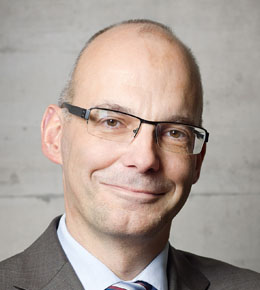
Prof. Ulf Ziemann
Co-chair from GermanyProfessor of Neurology, Eberhard-Karls University of Tübingen
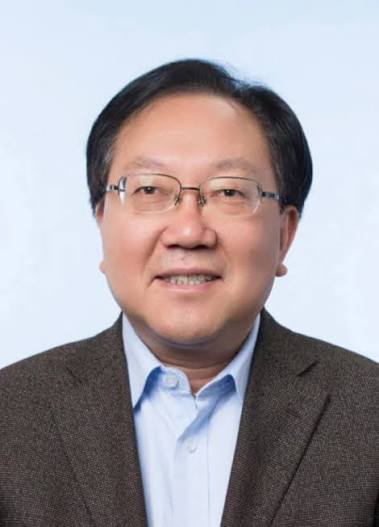
Prof. Tianzi Jiang
Co-chair from ChinaSchool of Biomedical Engineering, Harbin Institute of Technology, Shenzhen

Prof. Dr. Andrea Antal
Keynote SpeakerVice president of The European Society for Brain Stimulation&University Medical Center Göttingen
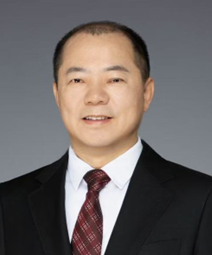
Prof. Shouyan Wang
Keynote SpeakerInstitute of Science and Technology for Brain-inspired Intelligence of Fudan University
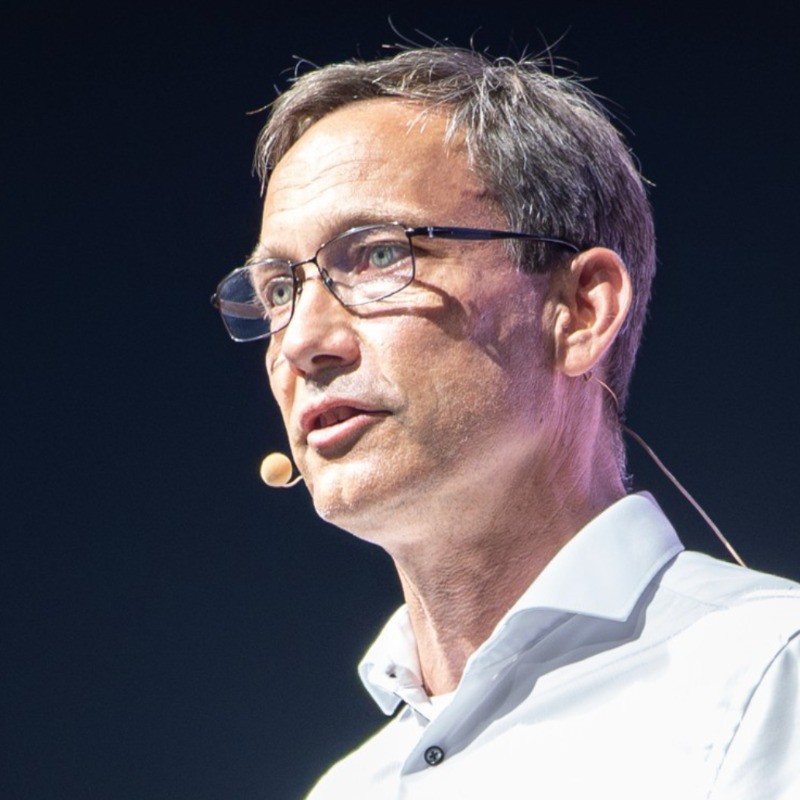
Dr. Martin Schuettler
Keynote SpeakerCTO, Co-Founder & Managing Director, CorTec GmbH
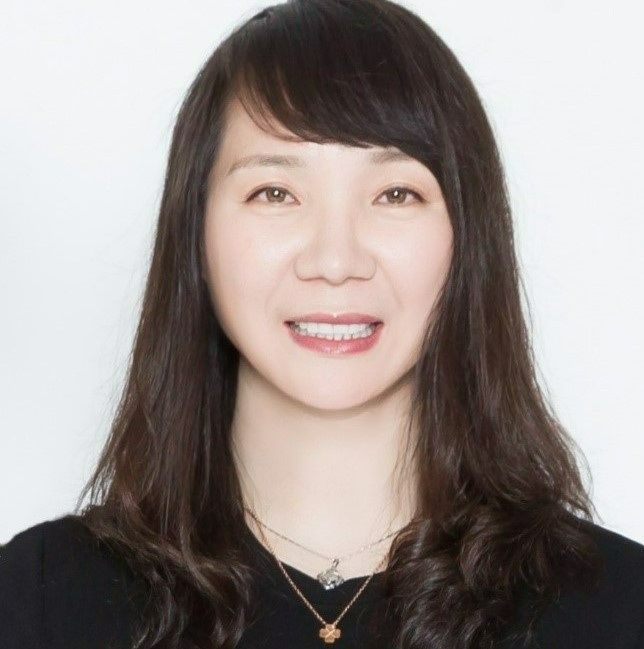
Prof. Haijing Niu
Keynote SpeakerNational Key Lab of Cognitive Neuroscience and Learning, Beijing Normal University & Director of sfNIRS Asia.
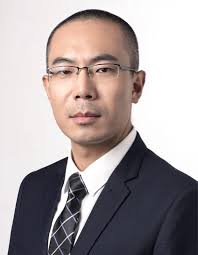
Prof. Xiaojian Li
Keynote SpeakerSouthern Medical University, Founder of WE-LINKING
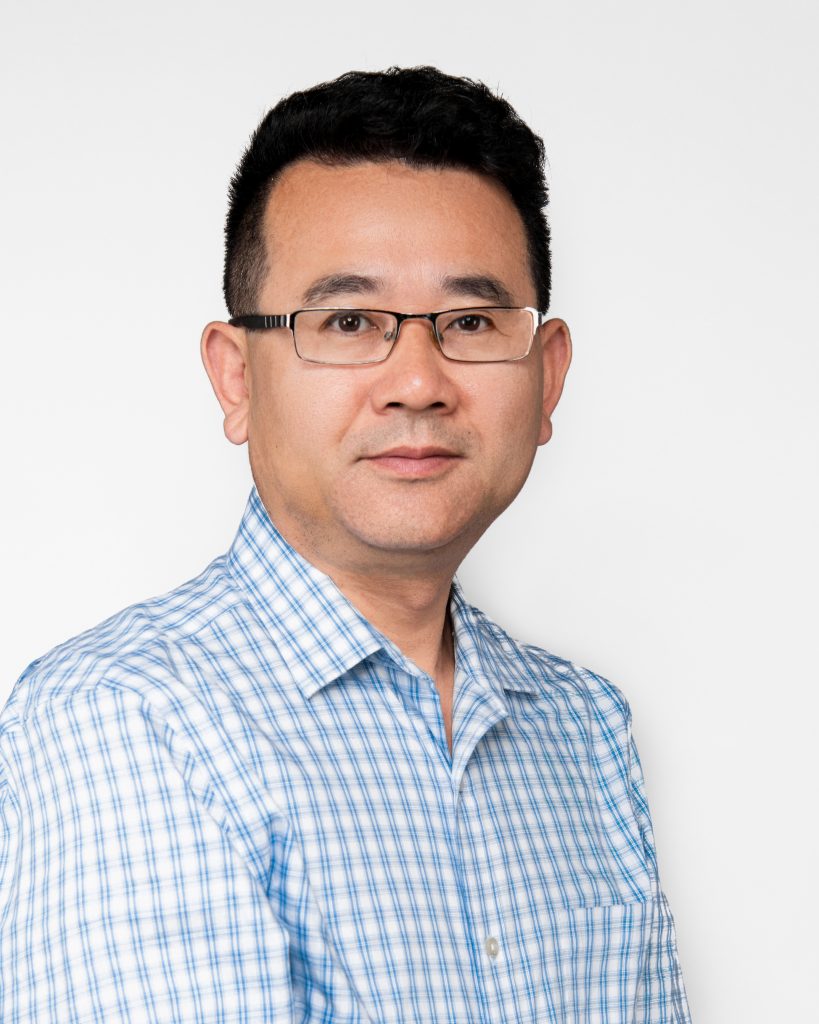
Prof. Zhen Yuan
Keynote SpeakerHead of Centre for Cognitive and Brain Sciences, University of Macau
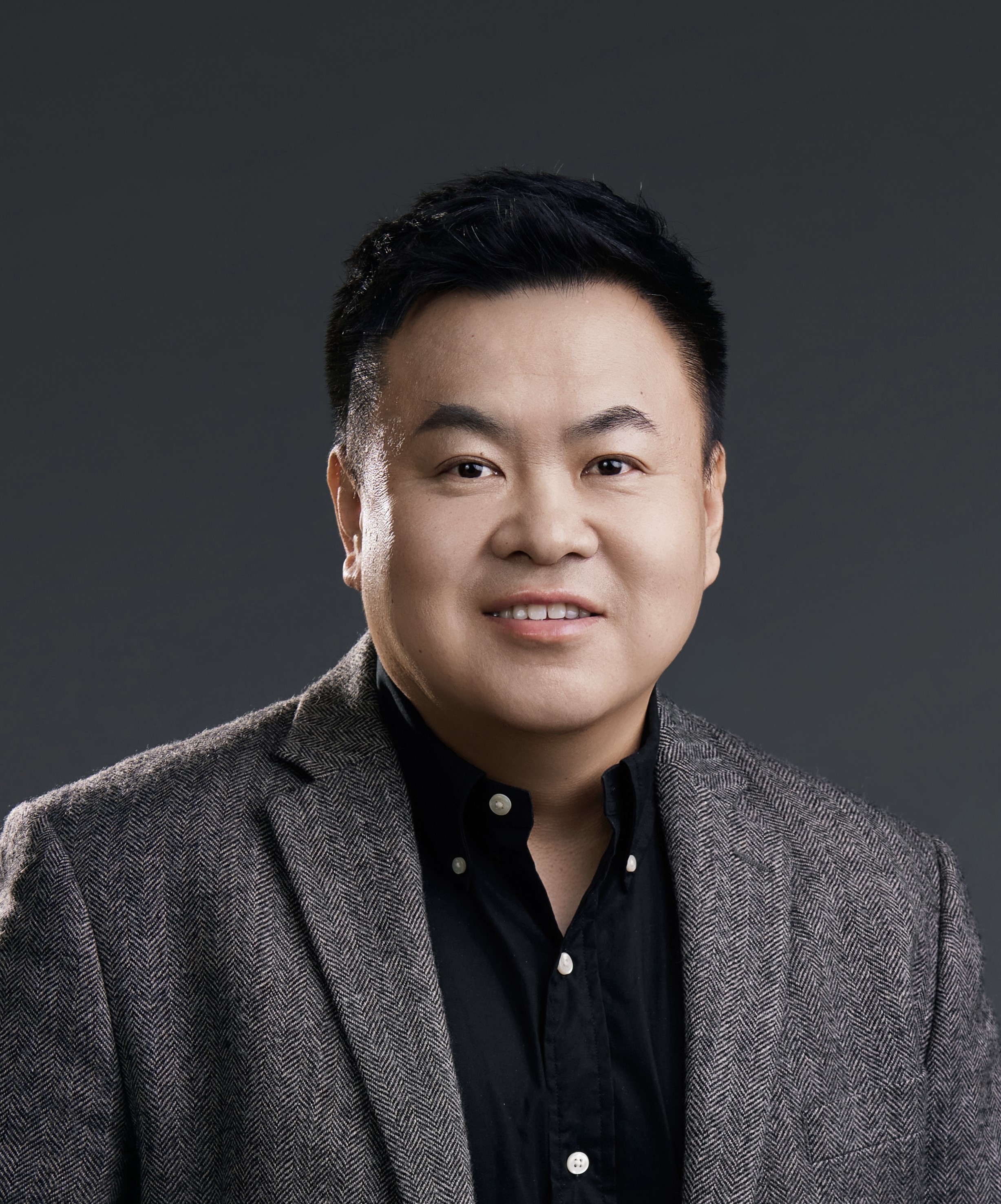
Prof. Meng Li
Keynote SpeakerShanghai Institute of Microsystem and Information Technology (SIMIT)
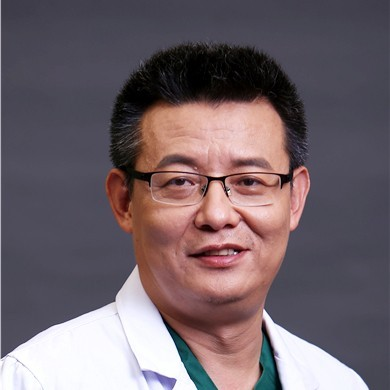
Prof. Jianghong He
Keynote SpeakerBeijing Tiantan Hospital, Capital Medical University
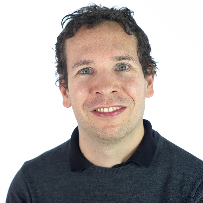
Dr. Daniel Keeser
Invited speakerLudwig Maximilian University of Munich
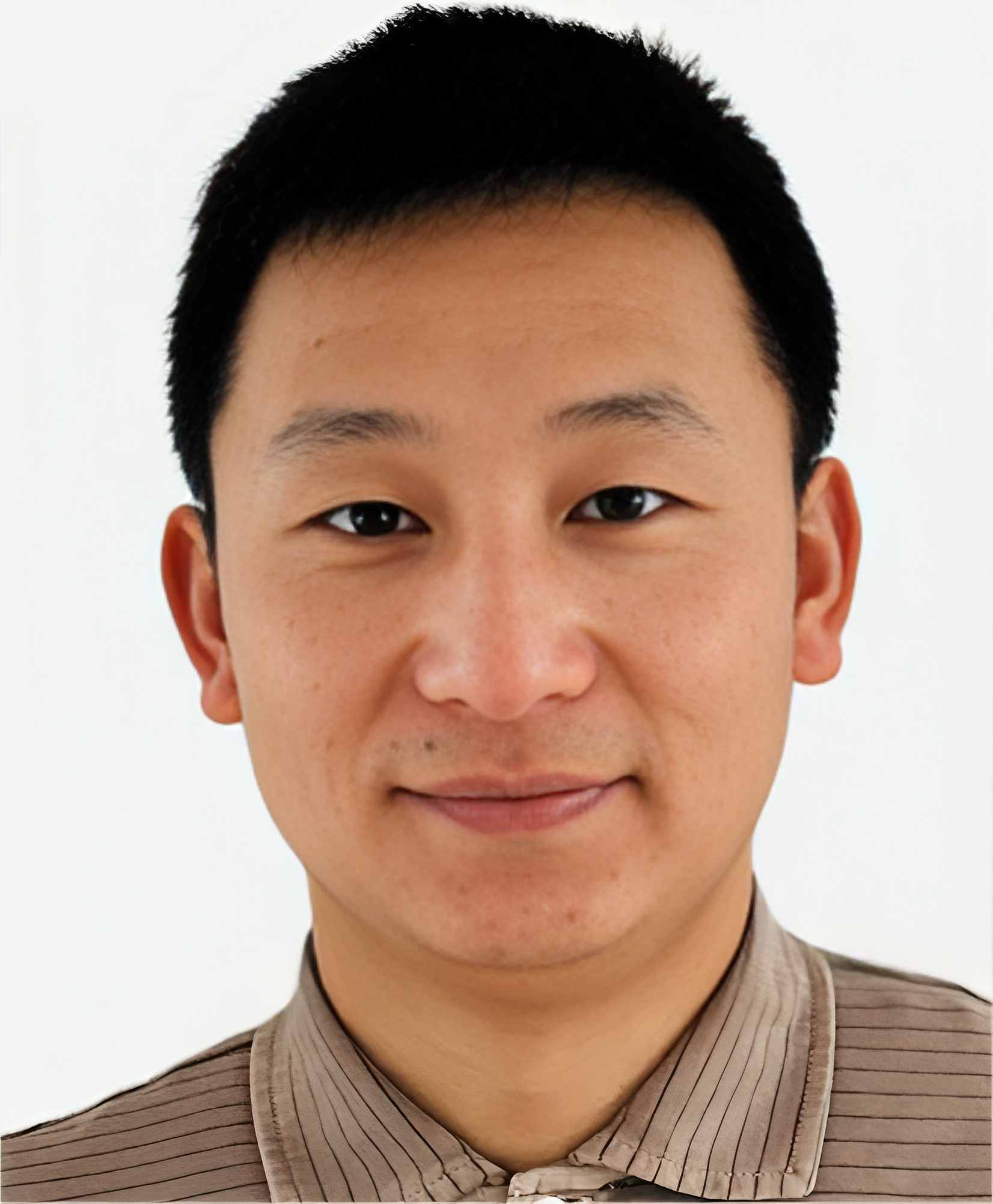
PD Dr. Shiqiang Gao
Session ChairPrincipal Investigator, Group Leader of Optogenetics Lab, Physiology Institute, University of Wuerzburg
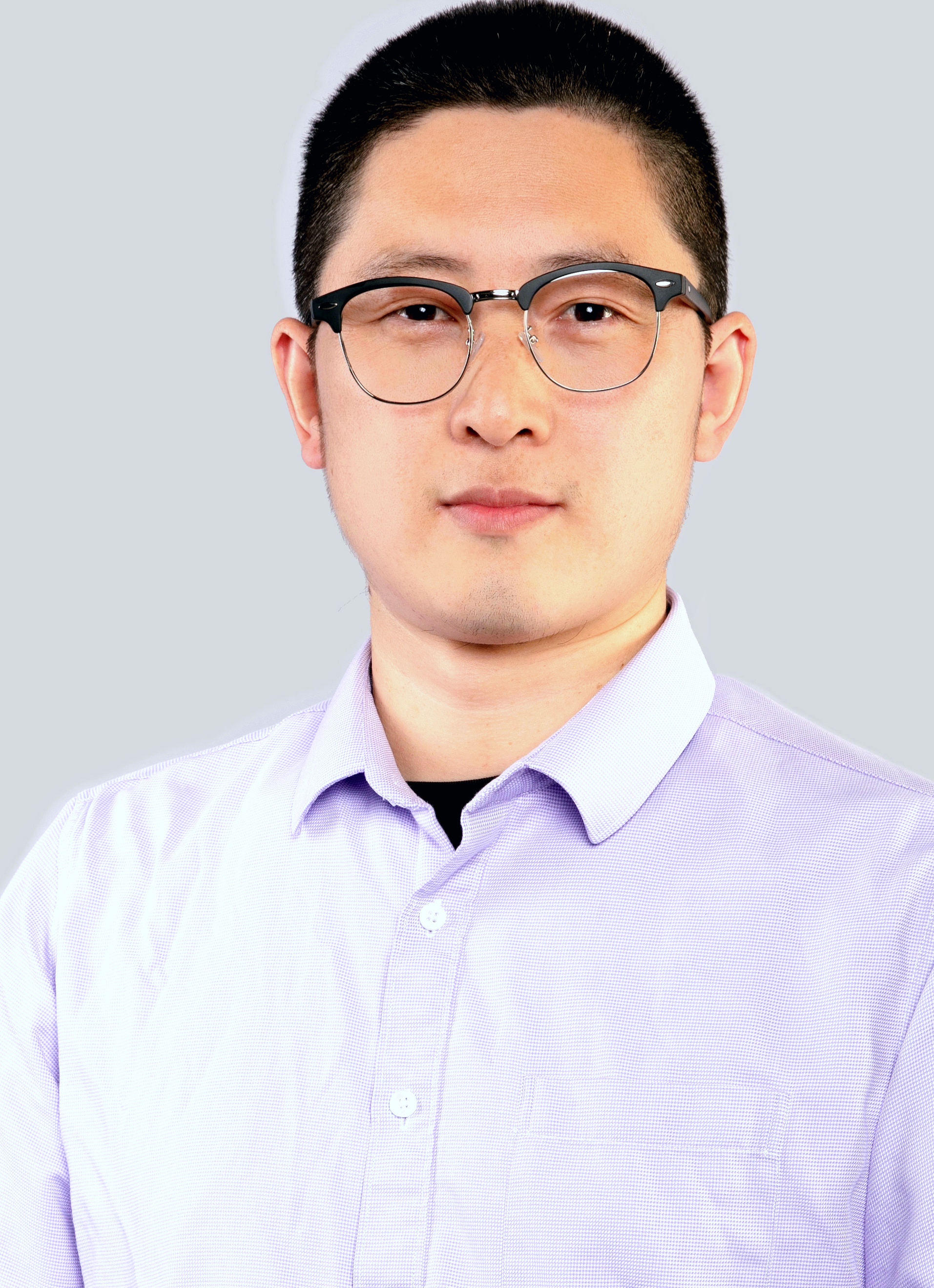
Prof. Yang Bai
Session ChairVice President of the Affiliated Rehabilitation Hospital of Nanchang University
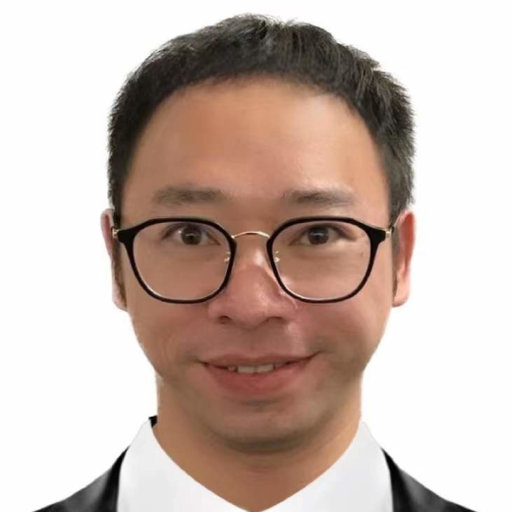
Prof. Zhihai Qiu
Session ChairPrincipal investigator at Guangdong Institute of Intelligence Science and Technology
Organizing Committee
The organizing committee members and supporting team are presented below.
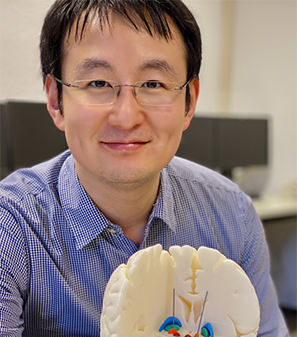
Ningfei Li
Organizing Committee ChairNorthwestern Polytechnical University
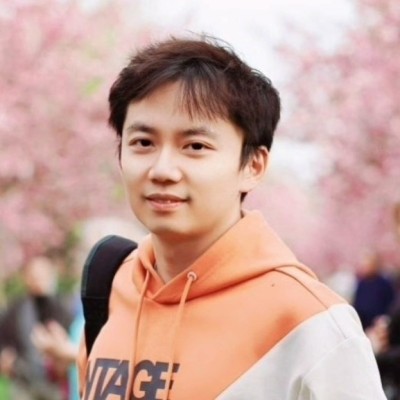
Lin Yang
Executive ChairPhysikalisch-Technische Bundesanstalt

Ramasawmy Perianen
Co-chair of Organizing CommitteeUniversity Medical Center Göttingen

Dania Humaidan
Co-chair of Organizing CommitteeUniversitätsklinikum Tübingen
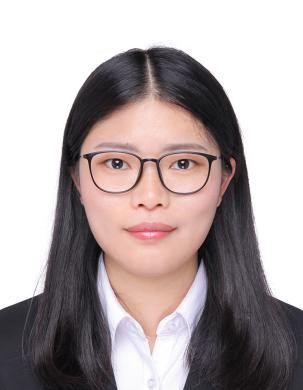
Chen Chen
Co-chair of Organizing CommitteeFudan University
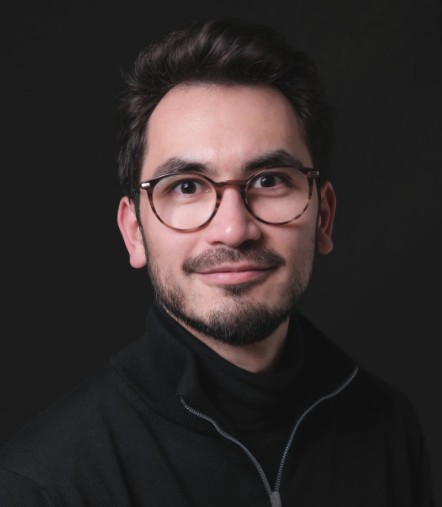
Andreas Jooß
Universitätsklinikum Tübingen

Jiahua Xu
DRCMR&MUST
Lin Shi
Beijing Tiantan Hospital, Capital Medical University
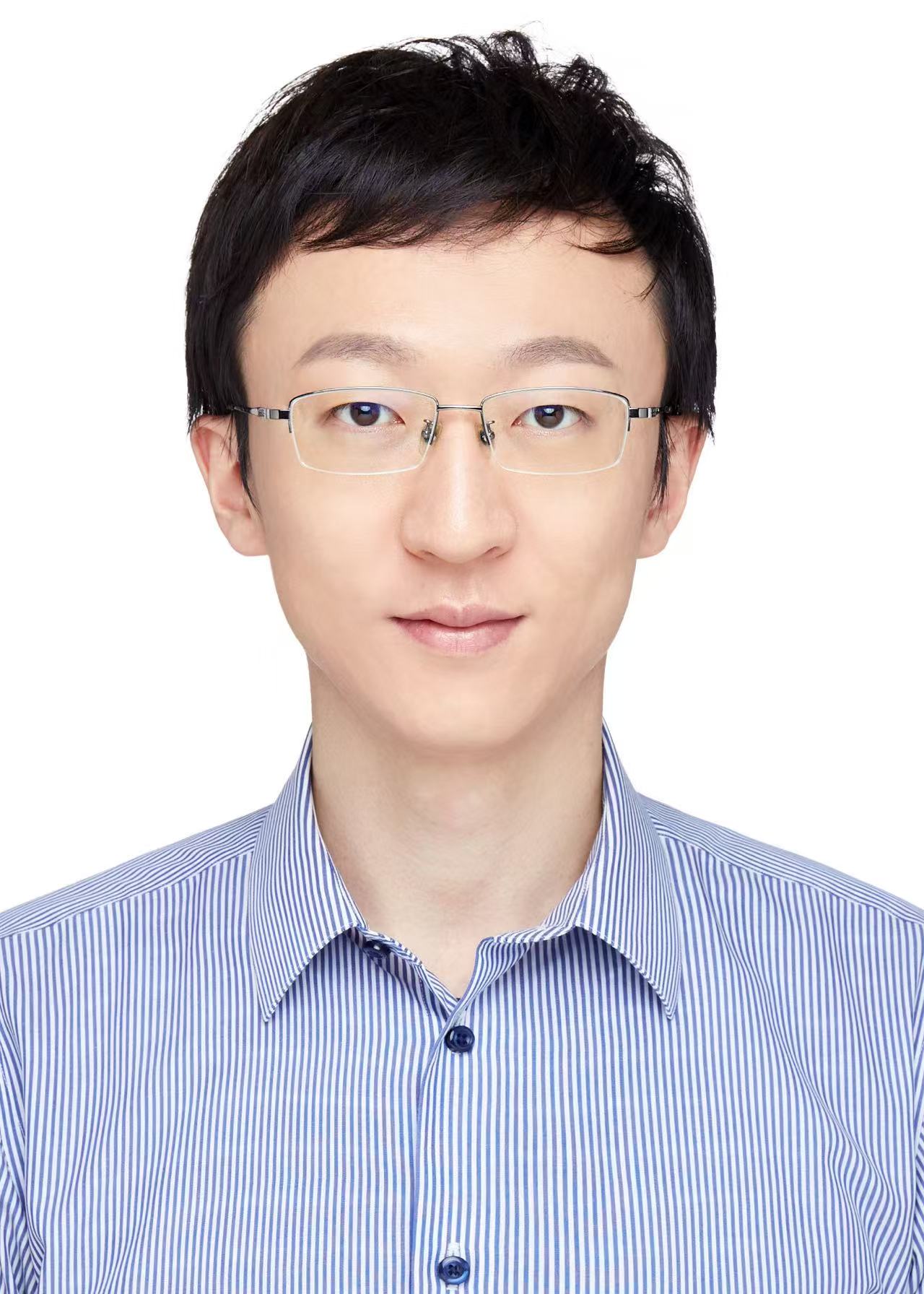
Guanyu Zhu
Beijing Tiantan Hospital, Capital Medical University

Yi Yang
Beijing Tiantan Hospital, Capital Medical University
Zhongfei Bai
Tongji University
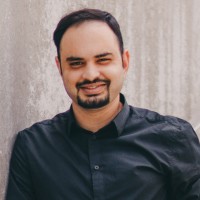
Umair Hassan
Stanford University
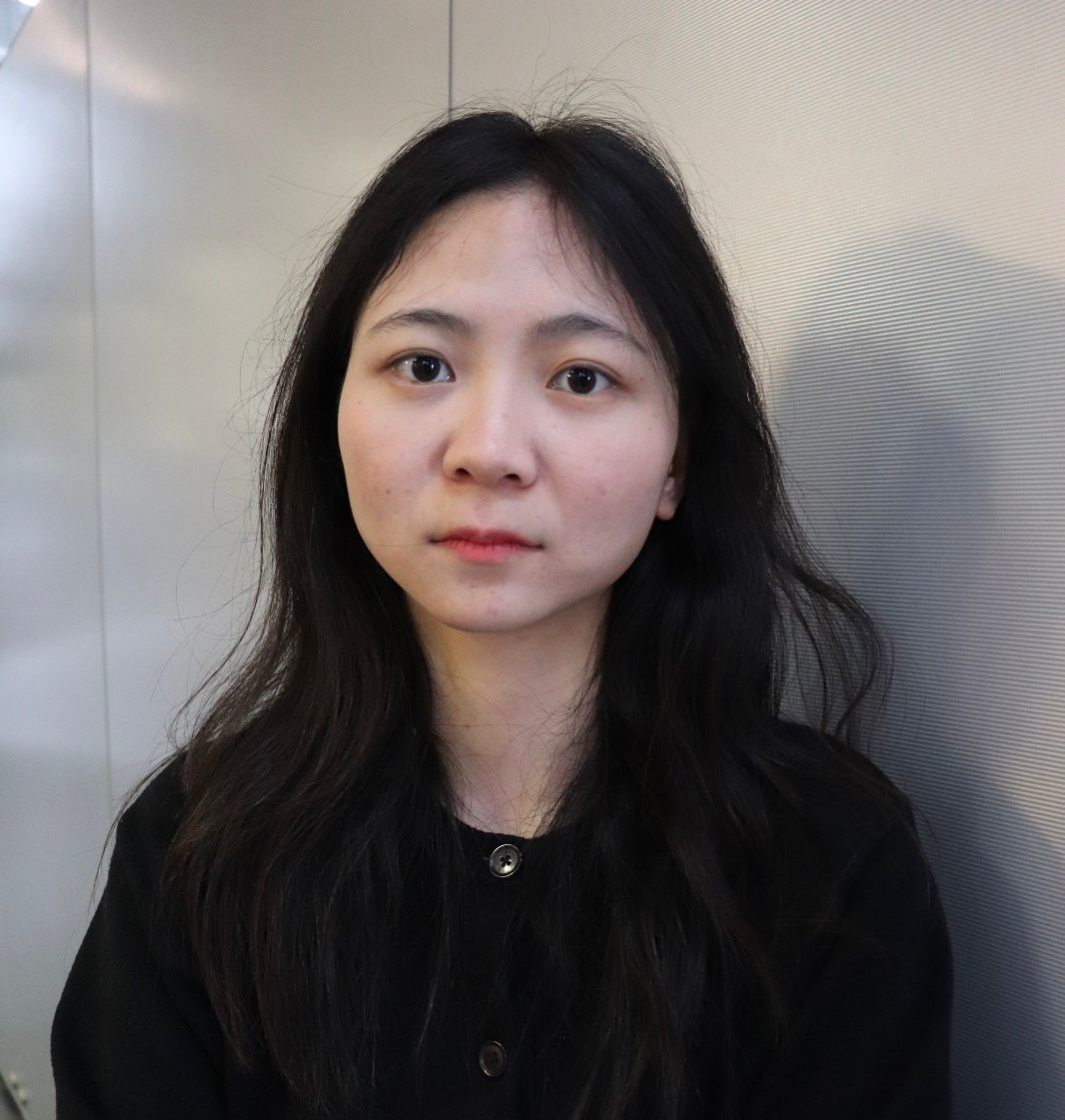
Xue Guo
University Medical Center Göttingen

Peng Liu
Universitätsklinikum Tübingen
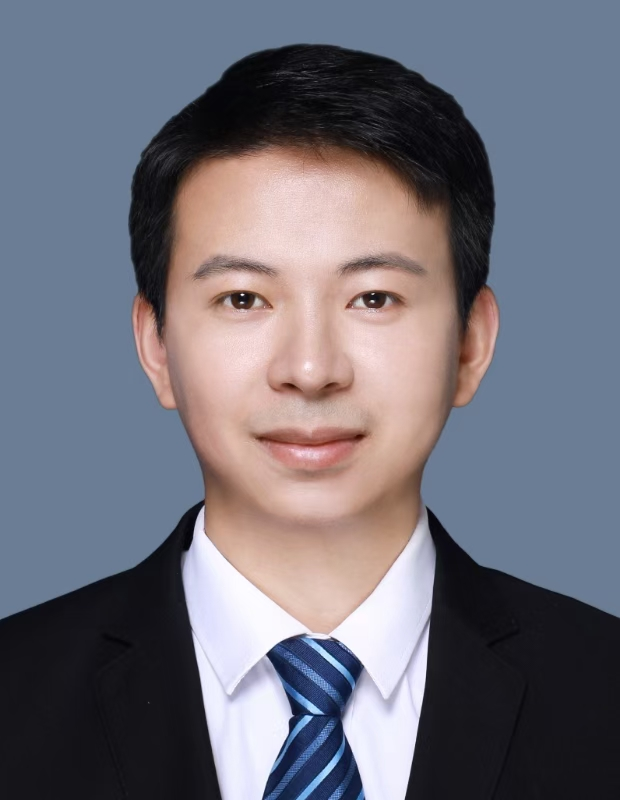
Shi-Chun Bao
Institute of Advanced Medical Devices, Shenzhen University of Advanced Technology
Frontiers Research Topic
Manuscript submission information for the associated Frontiers in Human Neuroscience Brain Imaging and Stimulation topic.
Journal Topic
Toward Precision Brain Stimulation: Mechanisms, Methods, and Applications
This Research Topic brings together interdisciplinary work spanning methodological innovation, computational modeling, multimodal integration, and clinical applications in brain stimulation.
Editors
Ningfei Li, Yang Bai, Dania Humaidan, Umair Hassan, Jiahua Xu
Submission Link
Topics of Interest
- Brain stimulation techniques including TMS, TES (tDCS/tACS), TUS, and DBS.
- Machine learning, neural decoding, stimulation outcome prediction, and computational modeling.
- Multimodal neuroimaging with EEG, fMRI, fNIRS, and stimulation-recording paradigms.
- Clinical and translational applications in neurological and psychiatric disorders, neurorehabilitation, and cognitive enhancement.
Poster Submission
Poster guidelines, submission requirements, and symposium presentation details.
Deadline
30 Aug 2026
Submission Email
Poster Format
A0, portrait, 84 cm (W) x 118.8 cm (H)
Submission Requirements
- Title, maximum 150 characters including spaces.
- Presenter and any co-author(s): name, affiliation, and email address.
- Abstract, maximum 1250 characters including spaces.
- Keywords, maximum 5.
Accepted Posters
Selected highlight posters will receive accommodation and food package support provided by the organizers.
Flash Presentation
A limited number of selected posters, approximately 10, will be invited for 5-minute oral flash presentations.
Contact
Official contact information for symposium communication and participant support is provided below.
General Support
support@ibcibs.org
For general inquiries, website support, registration help, and participant assistance.
Venue Information
Hotel & Venue
Venue details, hotel recommendations, and local transportation guidance.
Sponsorship
The sponsorship and supporting publication partner are presented below.
